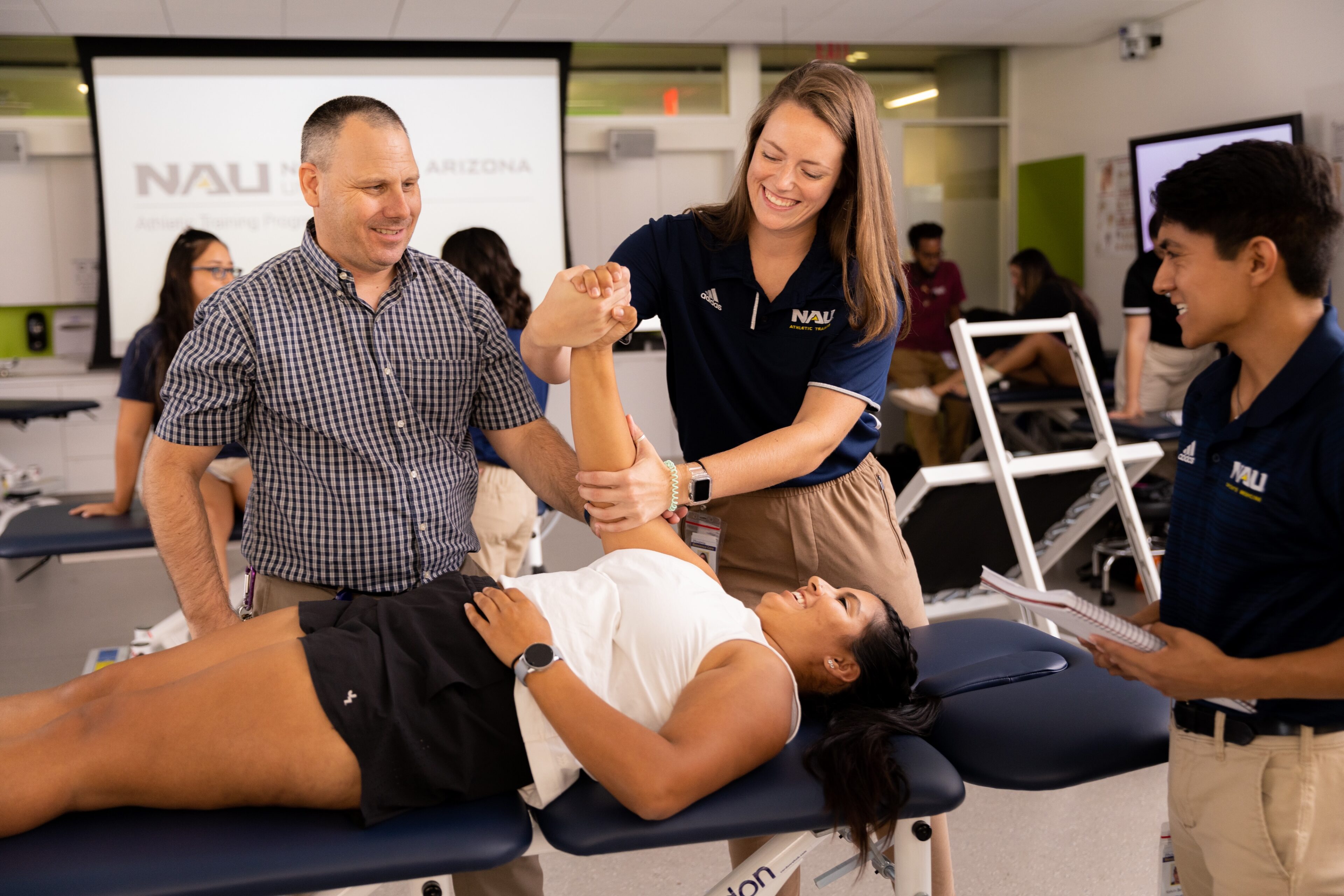
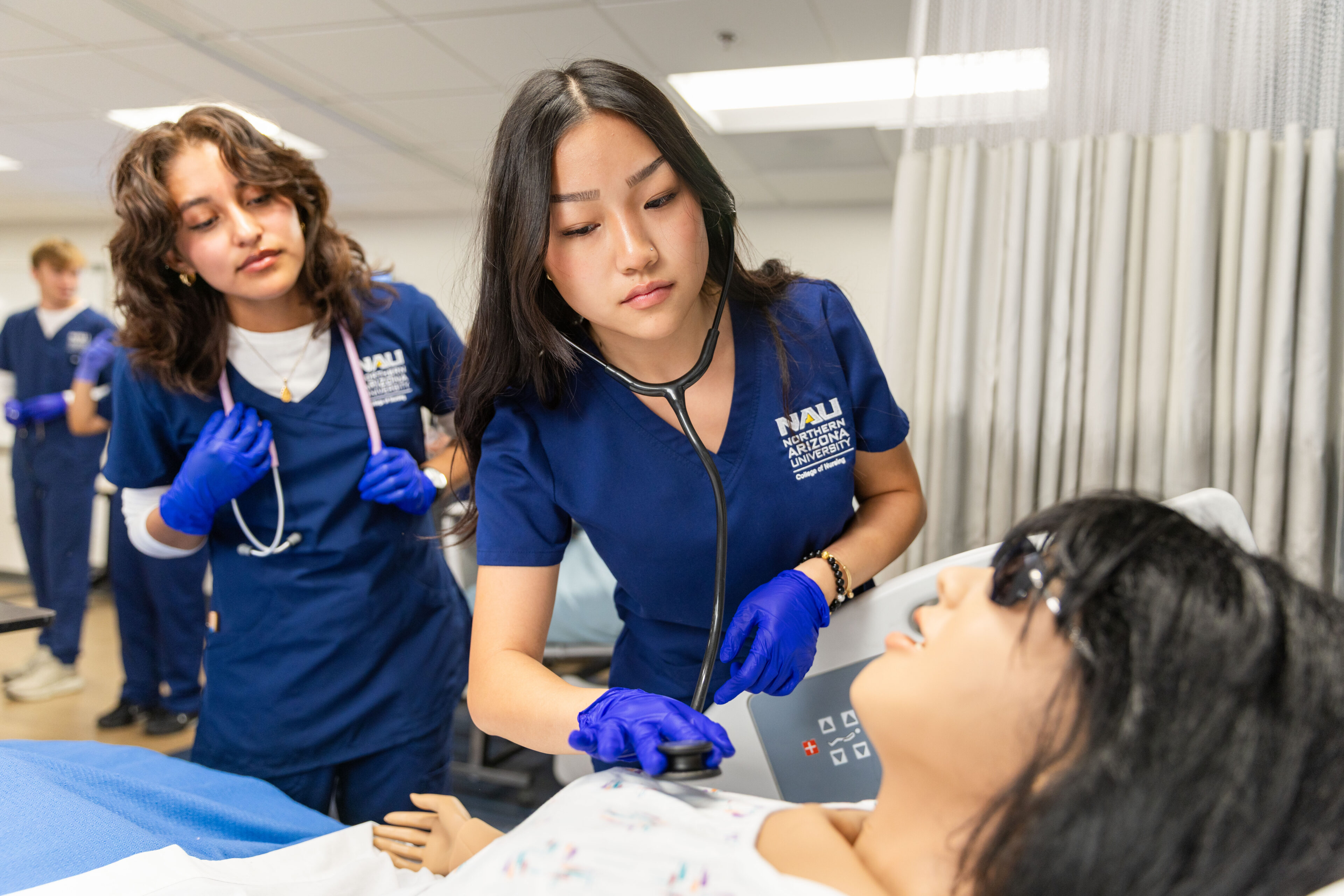
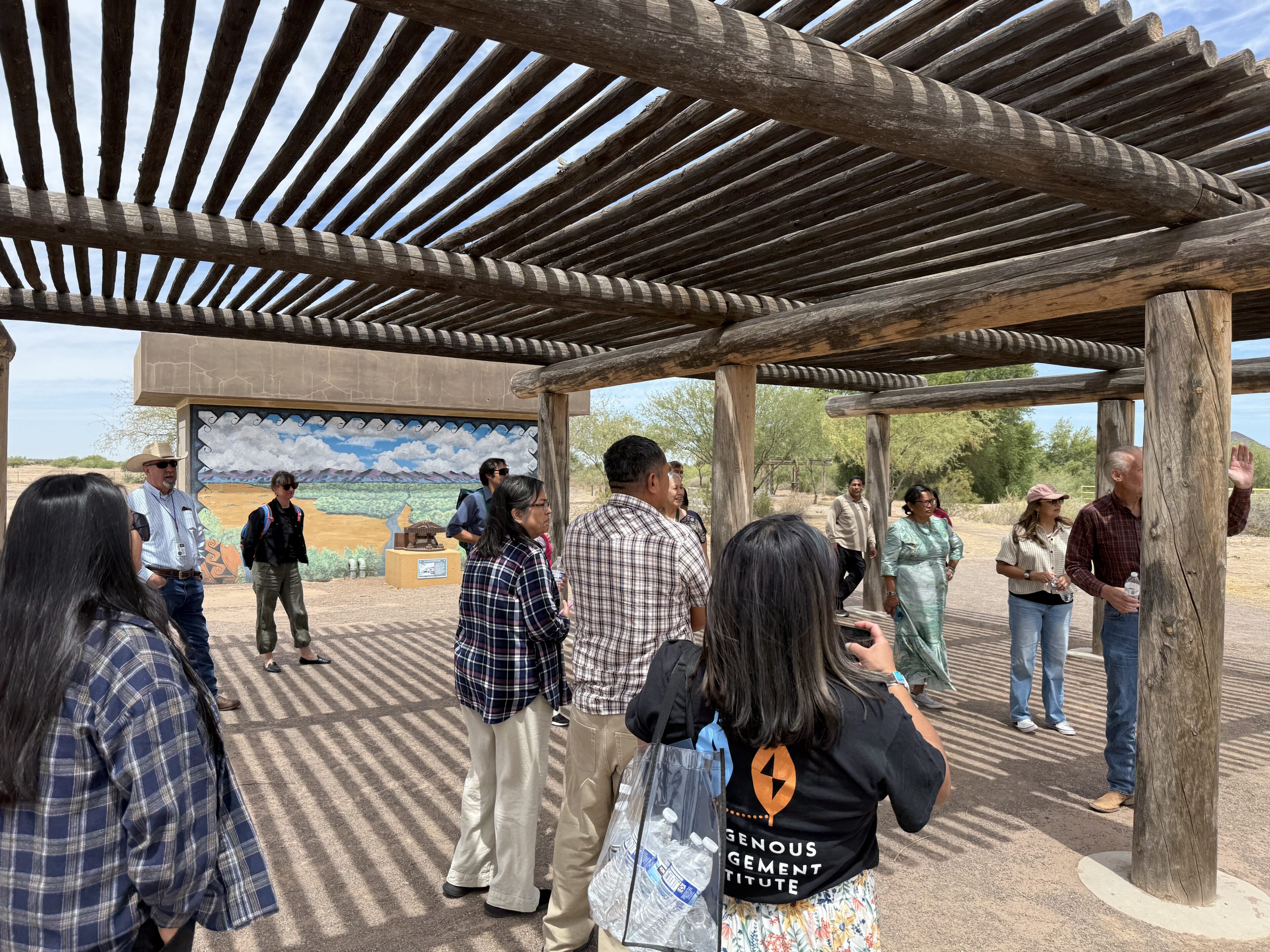
At Northern Arizona University, more than 200 students recently came together across disciplines—alongside roughly 30 faculty and community partners—to better understand one of the most pressing and complex health challenges facing Arizona communities: dementia.
The Interprofessional Development, Engagement, and Advancement (IDEA) Symposium on Aging and Dementia brought together NAU students from social work, psychology, nursing, nutrition, speech-language pathology, and fitness wellness across three colleges—Social and Behavioral Sciences, Nursing, and Health and Human Services—to learn both about dementia care and each other’s disciplines.
That interdisciplinary approach reflects a growing need across Arizona, where rates of Alzheimer’s disease and related dementias are rising rapidly.
Arizona is experiencing one of the fastest-growing rates of Alzheimer’s disease and related dementias in the country, with diagnoses increasing by roughly 33 percent between 2020 and 2025, according to the Alzheimer’s Association. What’s more, northern Arizona has been described as a “memory care desert,” with limited access to specialized providers and support services.
The symposium is designed to help address that gap by preparing students early to work collaboratively in care settings that demand it—an approach that reflects NAU’s 100% Career Ready initiative, which integrates real-world, interdisciplinary learning into the student experience.
“The goal is to give students from across disciplines the opportunity to learn about one another’s disciplines and how their own discipline contributes to interdisciplinary care, all in the context of aging and dementia,” says Executive Director and Professor in NAU’s School of Social Work Michael McCarthy.
“The symposium is also meant to address the shortage of providers who understand dementia-related concerns and raise awareness among students about this impactful career path,” McCarthy adds.
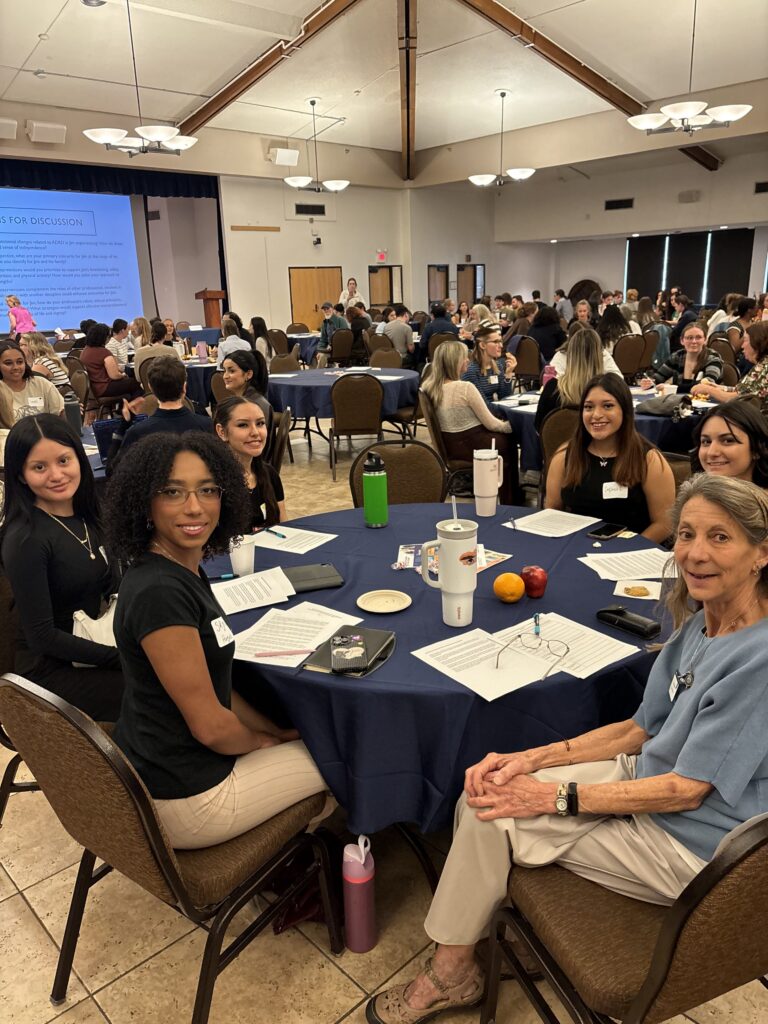
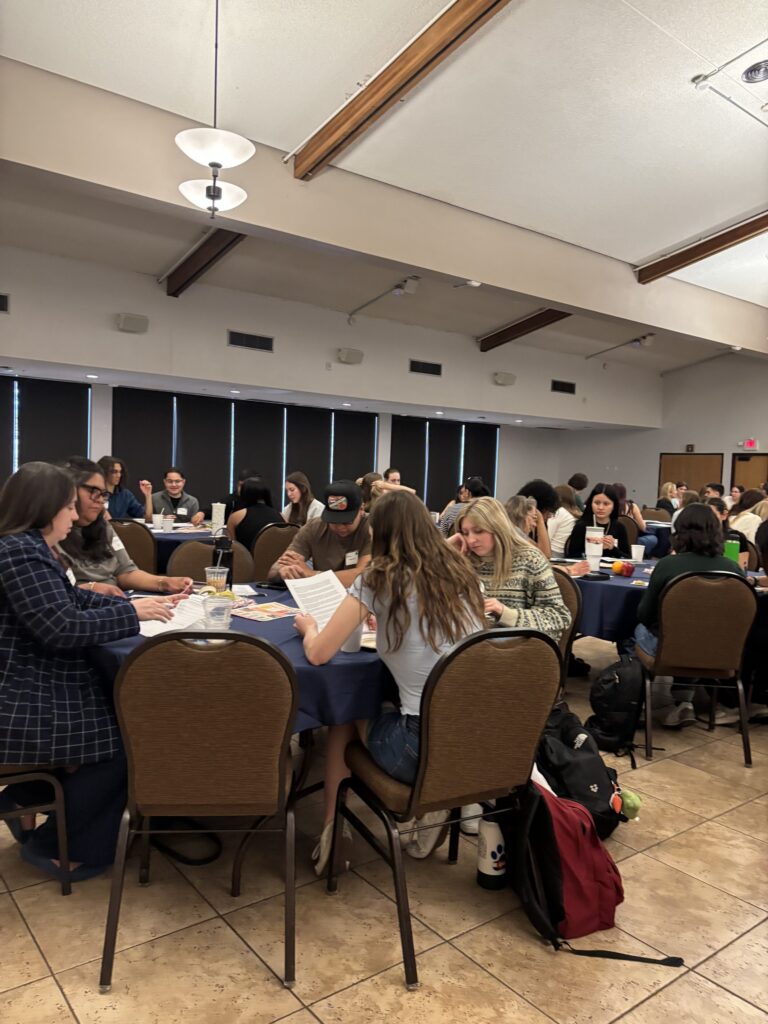
Throughout the day, students heard directly from individuals and families with lived experience, then worked in small, interprofessional groups to apply what they learned to real-world case studies. For many, the experience offered a deeper understanding of both the disease and the human impact behind it.
“I’ve learned more about the caregiver perspective of dementia, and more about support systems for them, and support groups for them,” says Lauryn Kelly, ’26, a communication sciences and disorders and music double major.
For others, the symposium reinforced how their chosen field connects to a broader network of care.
“This helps us set a foundation on how we can not only prevent and manage these diseases but also how our field impacts everyone else’s field,” says Amria Sadikov, ’26, a nutrition major.
Students also gained a clearer picture of the complexity of dementia—and the level of support required for both patients and caregivers.
“Dementia can be an intense disease that needs a lot of support, advocacy, and awareness,” Sadikov says. “I didn’t realize how many people know somebody affected by this condition.”
The event is part of a broader effort to position both NAU and the Flagstaff community as leaders in dementia awareness and care. It builds on Flagstaff’s designation as a Dementia Friendly City and complements initiatives across the university focused on aging and community health.
Together, these efforts are helping ensure that NAU graduates enter the workforce not only with technical expertise, but with the collaborative mindset and human understanding required to meet the needs of individuals and families navigating dementia.