For many children in northern Arizona, a visit to the dentist isn’t routine. It’s out of reach.
According to a 2021 report from the National Institutes of Health, about half of all American children do not receive consistent, ongoing dental care due to social, economic, and geographic barriers. One in four goes without preventive care in a given year, according to the National Survey of Children’s Health.
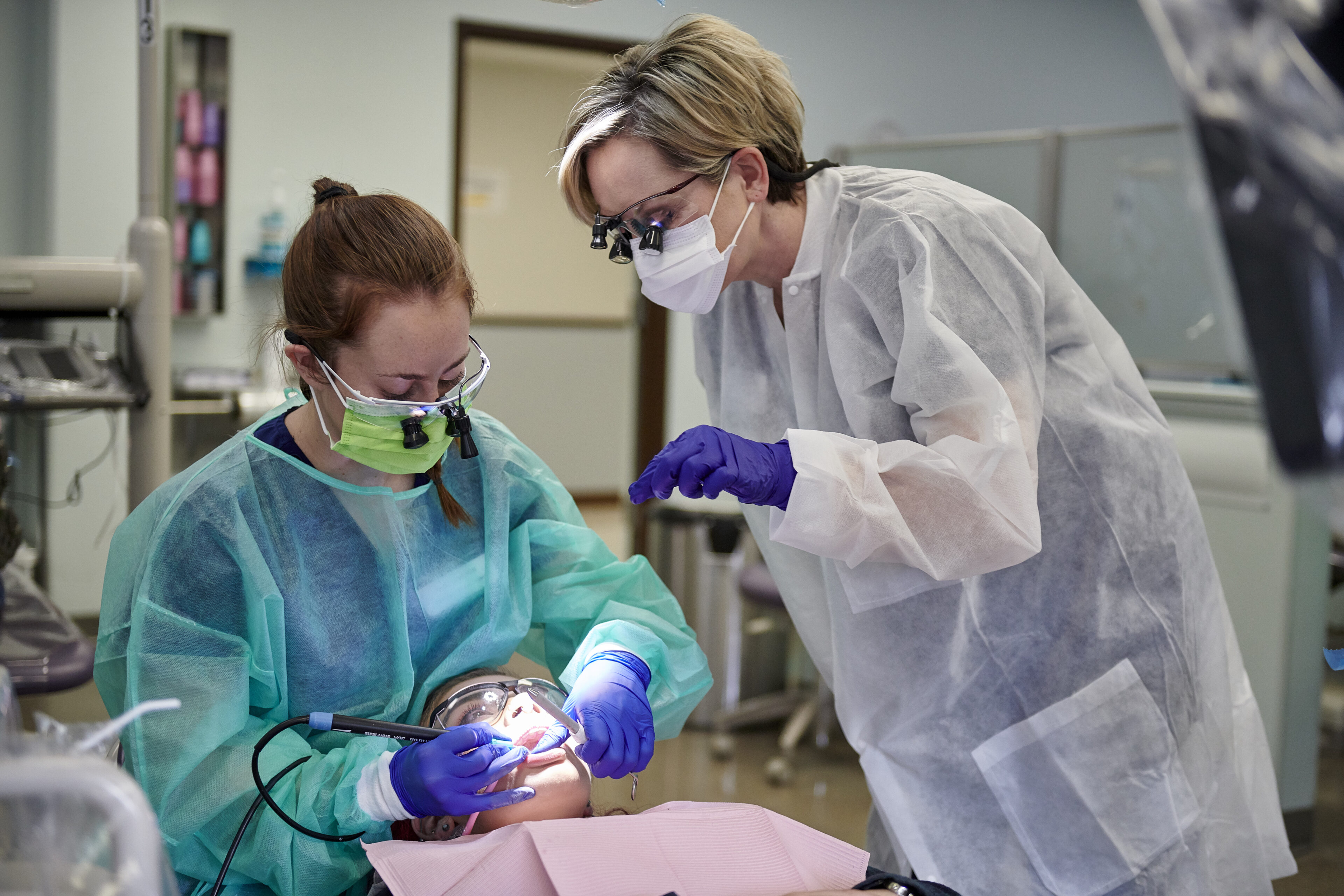
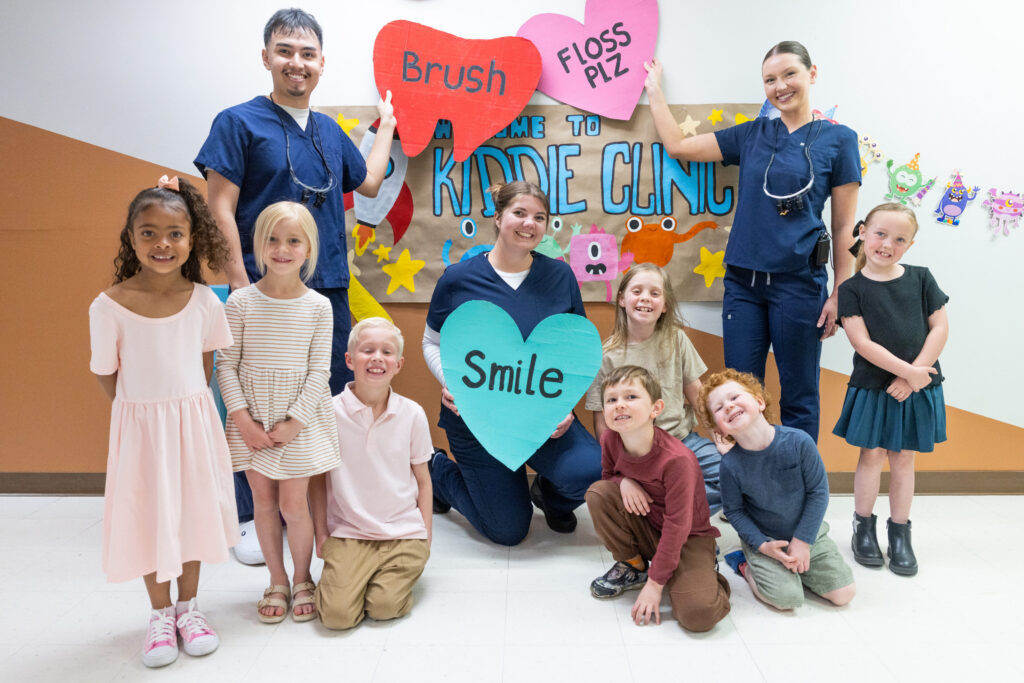
At Northern Arizona University’s Dental Hygiene Kiddie Clinic, families have a place to turn for free preventative care twice a year. The event provides exams, cleanings, X-rays, sealants, and fluoride treatments for children ages 4 to 13—services delivered by NAU students under faculty supervision.
Delta Dental of Arizona (DDAZ) has been a sponsor of the Kiddie Clinic for the last six years, making this invaluable care accessible to children in the community. Through its Foundation, DDAZ supports oral health education, disease prevention, and food assistance programs for underserved and uninsured communities across the state.
Demand is high. Appointments fill quickly, reflecting both the need for accessible dental care and the trust families place in the program.
The Kiddie Clinic is part of a broader model of community-based care embedded in NAU’s dental hygiene program. For more than 50 years, the program has paired student training with service—providing affordable, preventive care to communities across northern Arizona while preparing graduates to work with patients in a wide range of settings.
Through programs like Smile for Veterans, which provides free preventive care to local veterans, and the Coconino County Preventive Care Voucher Program, which offers no-cost services to income-qualified adults, NAU students deliver care to individuals and families who might otherwise go without.

For students, the Kiddie Clinic is often one of their first opportunities to work extensively with young patients—an experience that builds both clinical skill and confidence.
“It is so inspiring to see children take on a challenge like going to the dentist with excitement and curiosity,” says senior in dental hygiene Isabella Necoechea, ’26.
“Seeing these patients in my dental chair never ceases to put a smile on my face, and they continue to remind me of why I joined this profession.”
Students are responsible not only for delivering care, but also for shaping a child’s early perception of the dental experience.
“We must provide a welcoming and positive environment so that they don’t develop fear of the dentist,” says Kainen Ebers, ’26, a dental hygiene and biomedical sciences student. “Events like this are designed to help kids feel comfortable and want to come back.”
In addition to treatment, students guide children and their families through preventive techniques they can carry home, helping build habits that support long-term oral health.
Preparing workforce-ready graduates is central to NAU’s commitment to academic excellence.
Experiences like the Kiddie Clinic give dental hygiene students hands-on clinical training early and often—preparation that translates into results. From 2022 to 2024, NAU students achieved a 100% pass rate on the National Board Dental Hygiene Examination, a required licensure exam that evaluates not just foundational knowledge, but the ability to apply it in clinical scenarios.
For many students, the experience also reinforces a core value of the profession: meeting patients where they are.
“Giving back to the children of Flagstaff is a way for me to give back to this community for making me who I am today,” Ebers says.