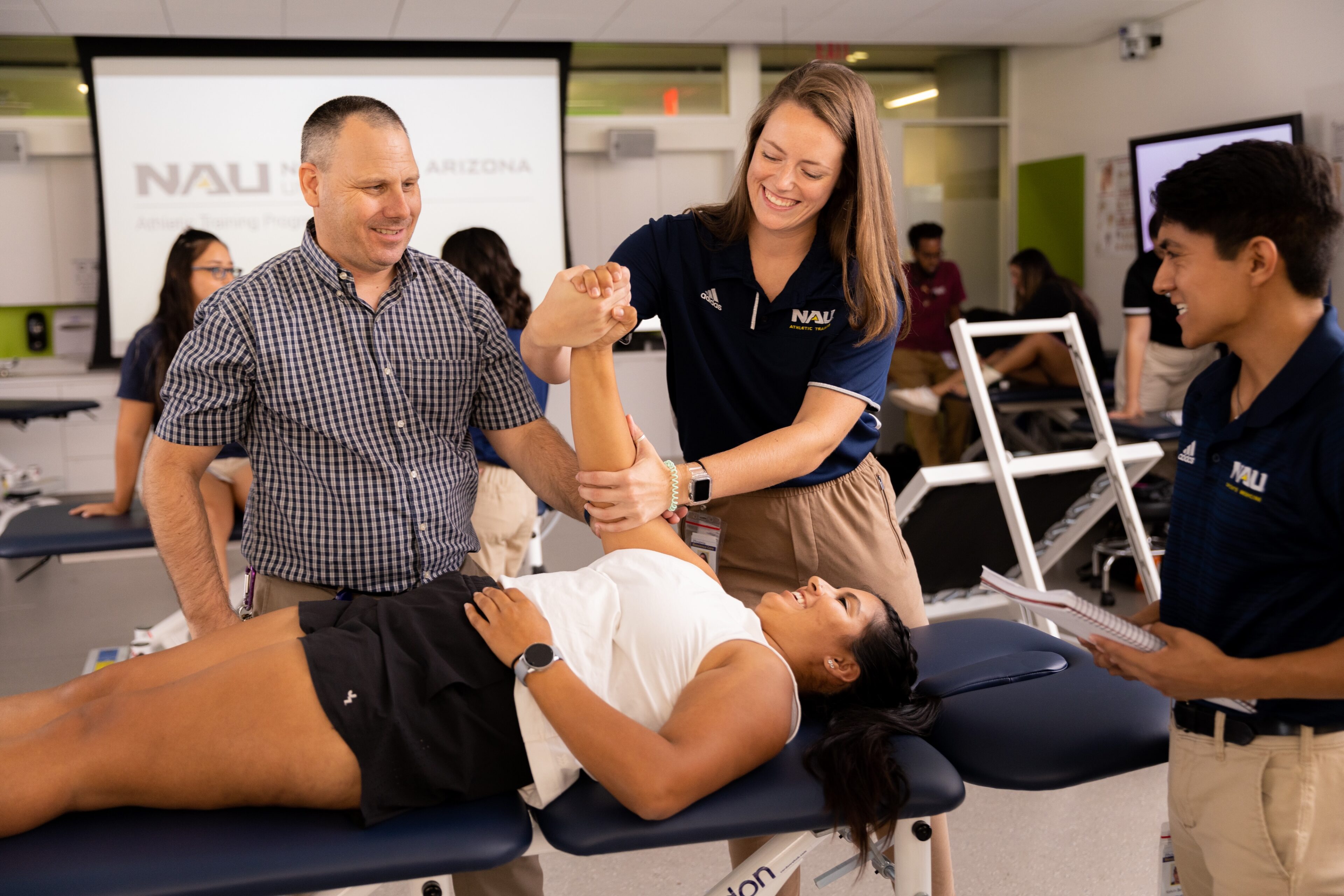
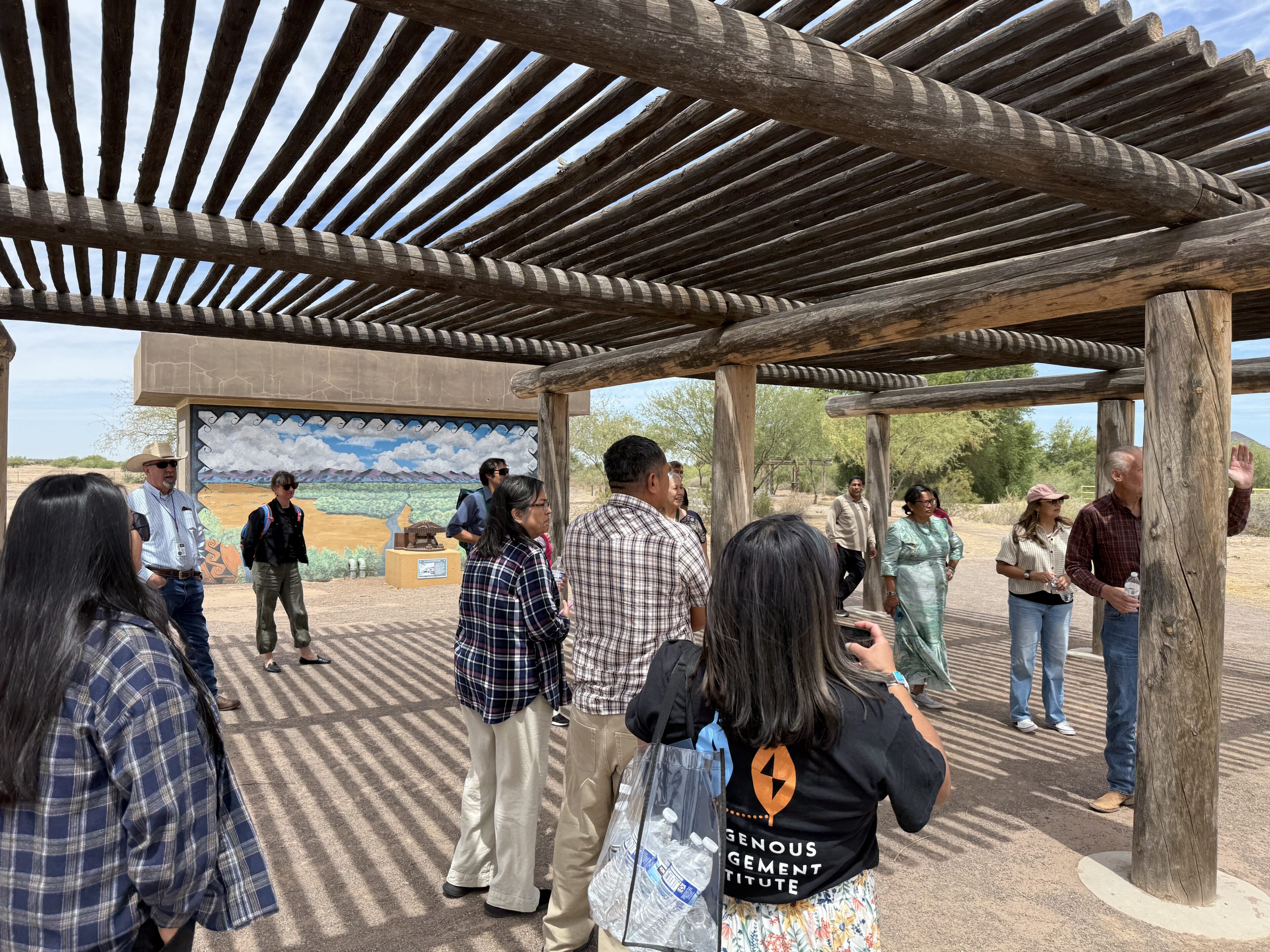
On July 21-24, four teachers from northern Arizona joined a summer workshop aimed at integrating computer science into their existing curriculum using coding concepts. Project Let’s Talk Code (LTC), funded this year by APS Foundation, is a partnership with Native American educators to introduce computer science concepts to students in Arizona’s rural and tribal communities.
Led by associate professor Ashish Amresh in NAU’s School of Informatics, Computing, and Cyber Systems, LTC follows a participatory design approach that exposes educators to app development. The goal is to educate participants on how to handle a computing lesson so they can translate it in a way that aligns with their existing curriculum and resonates with their students.

“We have worked with over 100 teachers in four years, and all teachers who participate have no prior coding experience,” Amresh said. “By helping teachers learn the value of computer science education, they can embed it into their normal classroom activities and seamlessly integrate it into their existing lessons.”
This year, participants joined from Shiprock, Kayenta, Chinle and Fort Defiance. Even though they each focus on different areas and teach different grade levels, the consensus was that they want to learn ways to integrate computer science that’s engaging to their students.
“I want our students to be equipped with the knowledge they need to know to live in the world, and right now, that information and training is lacking on the reservation,” said elementary school teacher Nalda Francisco. “I joined this workshop to have something to connect with my students on that teaches them the skills they need.”
Helping Amresh support teachers during and after the workshop are two NAU computer science student mentors, Max Poole, ’25, and Olivia Vester, ’26. Pool and Vester signed on to help teach the teachers while gaining important communication and problem-solving skills. Both students provided hands-on help during the workshop and will soon travel to the participants’ schools to observe teachers’ computer science lessons, provide in-class support and track how students engage with the content.
Priyanka Parekh, a learning scientist at NAU’s Center for STEM Teaching and Learning (CSTL), also joined the workshop to help teachers situate computer science instruction within their students’ cultural context. With her support, teachers refined their lesson plans, connecting computer science and app development to their community’s histories and needs.

The support from APS Foundation helped cover costs such as travel, lodging and meals for participants.
“Technology is rapidly shaping our future, and our teachers play a crucial role in sparking students’ interest in this field,” said Tina Marie, Executive Director of the APS Foundation. “We want to support teachers, through programs like this, to inspire the next generation of innovators who can change the world.”
To combat one of the biggest challenges schools on the Navajo Nation continue to face—the lack of skilled teachers—Amresh is refining the model for 2026 by developing an enhanced constellation model program. Maximizing computing teachers in schools and regions, the program will be built around empowering teachers to teach their peers.
“One of the biggest needs and challenges in the schools is the lack of skilled teachers to teach computer science courses,” Amresh said. “By pivoting our model and putting computing teachers in the center via a leadership program, the curriculum can be scalable based on what each school has access to. We cannot make up for a lack of teachers, but we can adapt the technology to fit the needs.”
Another workshop will take place in summer 2026. To learn more about Project Let’s Talk Code, visit ltc.rc.nau.edu. To support projects like this and more, visit foundationnau.org.