Across the Colorado River Basin, Tribal communities are confronting intensifying challenges—from prolonged drought and wildfire to aging water infrastructure and unresolved water rights.
At Northern Arizona University, the Institute for Tribal Environmental Professionals (ITEP) is working alongside these communities to build the capacity needed to respond—training both current professionals and the next generation of Indigenous environmental leaders.
Through recent philanthropic support from the Walton Family Foundation and The Catena Foundation, ITEP is expanding two critical efforts: a water leadership cohort for Tribal professionals and a growing internship program that connects Native students with hands-on experience in land and water management.
Together, these investments are strengthening a pipeline—from student to practitioner—rooted in Indigenous knowledge, community priorities, and real-world impact.
Strengthening Tribal water leadership
Water is one of the most urgent and complex challenges facing Tribal Nations across the Southwest. Communities are navigating unprecedented drought, wildfire impacts, and infrastructure gaps, often with limited resources.
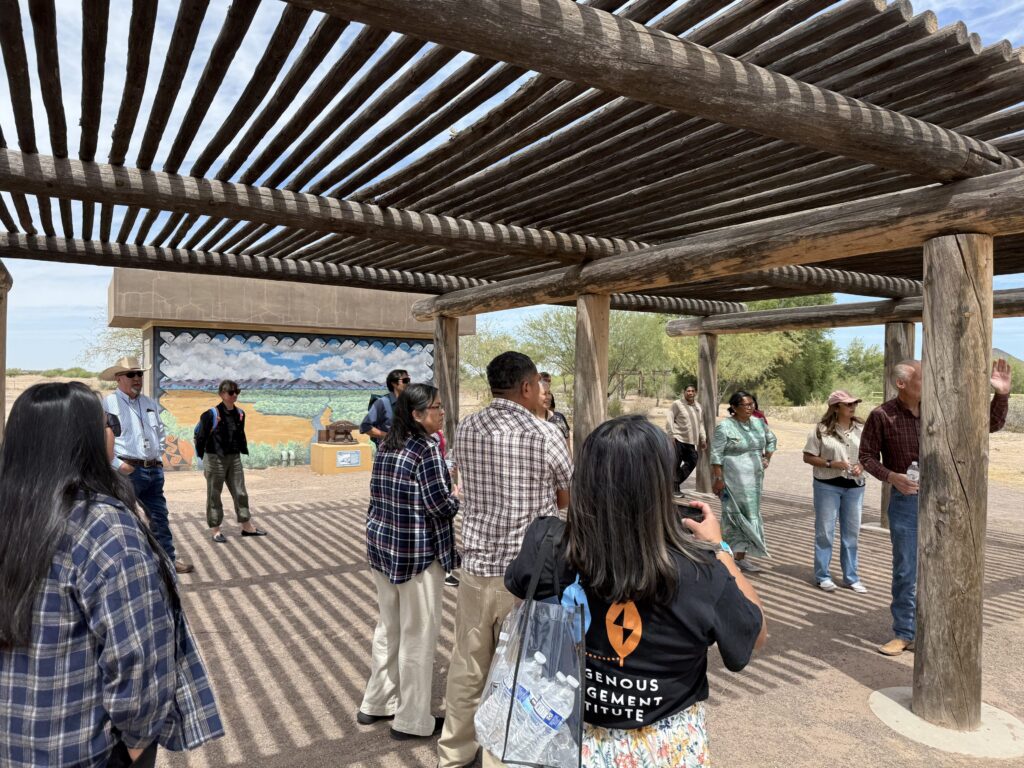
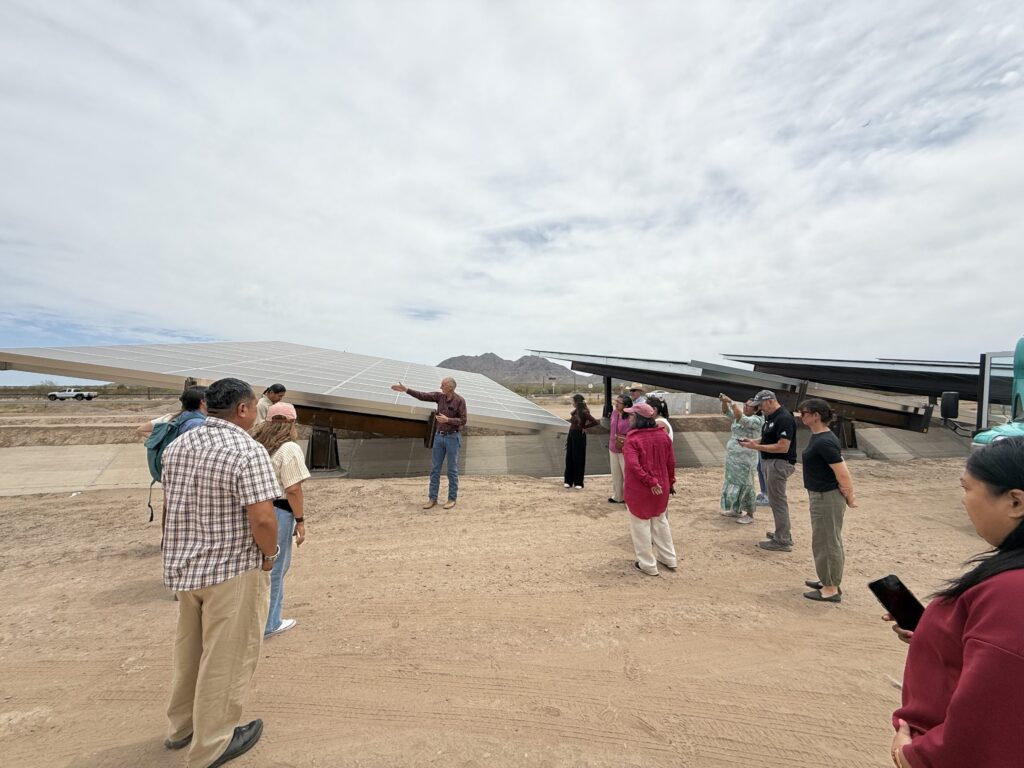
Supported by a $515,000 investment from the Walton Family Foundation in 2024, ITEP launched its “Living Waters, Resilient Nations” cohort the following fall, bringing together Tribal water professionals from across the Colorado River Basin for a six-month, cohort-based learning experience.
“The Living Waters, Resilient Nations Tribal Water Cohort is an opportunity to bring Tribes of the Colorado River Basin together to share resources, cultural practices, and Indigenous and Western science to the on-the-ground issues they are actively facing,” says ITEP Assistant Manager and cohort leader Ashley Gries.
Rather than a one-time training, the cohort model creates space for sustained engagement—where participants meet regularly, share challenges, and learn from one another as they develop solutions tailored to their communities.
“The wonderful thing about the water cohort is that it’s not just Tribal professionals,” says ITEP Director Nikki Cooley. “We have community members, hydrologists, former interns—people bringing different perspectives together around the same challenges.”
Participants explore topics ranging from climate impacts on water systems to infrastructure planning and funding strategies, while working toward climate adaptation plans for their communities. The program is designed to meet a critical need: supporting Tribal staff who are often balancing multiple roles with limited capacity.
“These are big, complex issues, and people can feel isolated in their work,” says ITEP Manager Karen Cozzetto. “The cohort builds a community where participants can learn from each other, stay connected, and keep that momentum going.”
“Our aim is to provide real-world resources, trainings, funding opportunities, and ongoing support to Tribal environmental professionals actively working on developing and amending Tribal water management plans,” says Gries.
Creating pathways for the next generation
While the Walton-supported cohort focuses on current professionals, The Catena Foundation is investing in the future of Tribal environmental leadership.
Through a $210,000 grant, Catena is supporting ITEP’s internship program in land and water management—placing Native students in hands-on roles with Tribal agencies, federal partners, and nonprofit organizations.
“Many Native American students are strongly motivated to return to their home communities to assist them but aren’t sure how to do that with their passion for the land,” says Kim Shaw, ITEP internship coordinator. “These internships show them what’s possible—and how they can give back while building a career.”
In summer 2025 alone, interns worked across the Southwest and beyond, supporting projects in water resources, forest restoration, environmental monitoring, and policy. By the 2025-2026 academic year, students were already placed with host sites ranging from Tribal natural resource departments to the U.S. Geological Survey.
The program also builds a network—connecting students with mentors, peers, and professionals who continue to support them long after their internships end.
“Our students’ success is evidence of the impact of the internship experience,” Shaw says.
From experience to impact

Mariessa Fowler, ’25, had multiple internships with ITEP during her time at NAU.
“I originally found ITEP through an email and started exploring the different internship opportunities,” she says. “What stood out to me was how many of them were working directly with Indigenous communities.”
Through her most recent internship with NAU’s Ecological Restoration Institute, Fowler worked across Tribal communities, coordinating with partners, supporting workshops, and helping connect organizations with resources and funding opportunities.
“This experience strengthened my ability to coordinate within Tribal communities and understand cross-jurisdictional issues,” she says. “I’ve seen firsthand how this work makes a difference.”
That impact became clear during a workshop she helped organize, where Tribal organizations gathered to share knowledge and build connections.
“They left with tools to strengthen their work and better understand funding opportunities,” Fowler says. “It showed me how powerful it is when people come together around a shared goal.”
For Fowler, the experience also reinforced her long-term vision: increasing Indigenous representation in environmental decision-making.
“There are not enough decision-makers in land management coming from an Indigenous perspective,” she says. “Through ITEP, I’ve built the confidence and skills to step into those spaces.”
Building toward what’s next
As ITEP looks ahead, its focus is clear: continue growing programs that elevate Indigenous knowledge, strengthen Tribal capacity, and prepare the next generation of environmental leaders.
That includes expanding both the water cohorts and the internship program—where demand continues to grow.
“My dream is to grow our internship programs to 50 students a year,” Shaw says. “We have the interest from Tribes and organizations, and we have the students. Sustained support will help us get there.”
At the same time, ITEP remains grounded in its core mission: supporting Tribal Nations as they navigate environmental challenges in ways that reflect their priorities, knowledge systems, and relationships to land and water.
“Elevating the voices, perspectives, and approaches of Indigenous peoples is at the heart of this work,” Cooley says. “That’s how we build resilience, not just for today, but for generations to come.”
Help prepare the next generation of Tribal environmental leaders.
Philanthropic support helps ITEP build the relationships, knowledge, and expertise needed to help communities meet environmental challenges today and for generations to come.